Comprehensive Land Clearing for Solar Farms Explained
- Garrett Kasselder
- Apr 6
- 4 min read

Developing a solar farm requires more than just installing panels. One of the most critical steps is land clearing. Proper land clearing sets the foundation for a successful solar project. It ensures the site is ready for construction, maximizes energy production, and minimizes future maintenance issues. In this post, I will walk you through everything you need to know about land clearing for solar farms. From the process and benefits to costs and best practices, this guide covers it all.
Understanding Land Clearing for Solar Farms
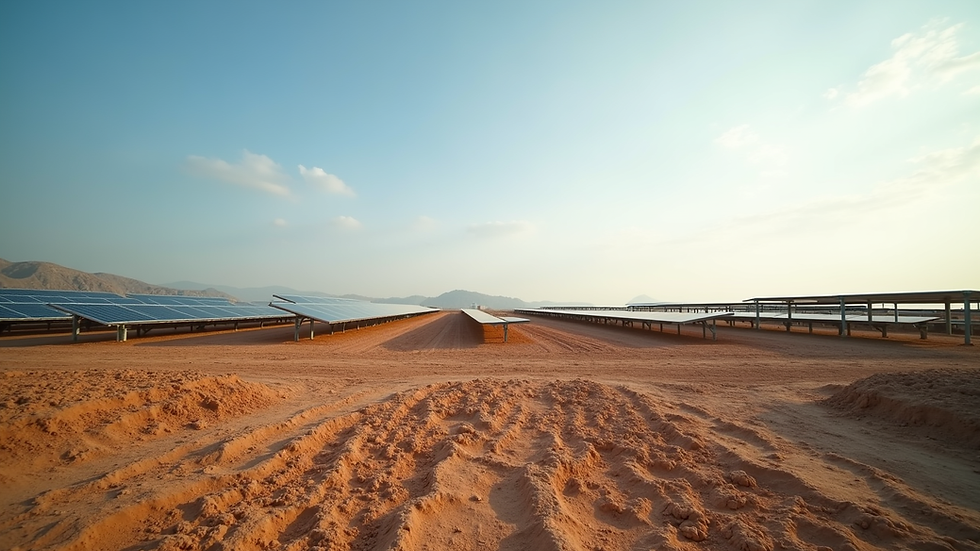
Land clearing for solar farms involves removing trees, shrubs, rocks, and other obstacles from a designated area. The goal is to create a flat, stable surface where solar panels and infrastructure can be installed efficiently. This process also includes grading the land to improve drainage and prevent erosion.
The scope of clearing depends on the site’s condition and the solar farm’s size. For example, a heavily wooded area will require more extensive clearing than a previously cleared field. The process typically includes:
Cutting and removing trees and brush
Grinding stumps and roots
Removing rocks and debris
Grading and leveling the soil
Proper land clearing is essential to avoid shading on solar panels, which can reduce energy output. It also helps prevent damage to equipment from overgrown vegetation and facilitates easier access for maintenance.

Key Steps in Land Clearing for Solar Farms
The land clearing process for solar farms follows a clear sequence to ensure efficiency and compliance with regulations. Here are the main steps involved:
1. Site Assessment and Planning
Before any clearing begins, a thorough site assessment is necessary. This includes evaluating the terrain, soil type, vegetation, and environmental factors. Planning also involves identifying protected areas or species that require special handling.
2. Permitting and Compliance
Solar farm projects must comply with local, state, and federal regulations. This often means obtaining permits related to land disturbance, tree removal, and erosion control. Working with experienced professionals helps ensure all legal requirements are met.
3. Vegetation Removal
Trees, shrubs, and other vegetation are removed using specialized equipment such as forestry mulchers, bulldozers, and chainsaws. The goal is to clear the land without causing unnecessary damage to the soil.
4. Stump Grinding and Debris Removal
After vegetation removal, stumps and roots are ground down to prevent regrowth and create a smooth surface. All debris is hauled away or repurposed, depending on project needs.
5. Grading and Soil Preparation
The land is graded to create a level surface and improve drainage. Proper grading prevents water pooling, which can damage solar equipment and reduce efficiency.
6. Final Inspection and Site Preparation
A final inspection ensures the site meets all project specifications and regulatory standards. Once approved, the site is ready for solar panel installation.
How Much Do Solar Farms Pay Landowners?
One important aspect of solar farm development is the financial arrangement with landowners. Solar farms often lease land from private owners, providing a steady income stream over many years. The payment depends on several factors:
Location: Land in high-sunlight areas or near existing infrastructure commands higher rates.
Land Size: Larger parcels typically generate more income.
Lease Terms: Length of lease and renewal options affect payment amounts.
Land Use: Whether the land can still be used for agriculture or other purposes during the lease.
On average, landowners can expect to receive between $500 and $2,000 per acre annually for solar farm leases. This income is often more stable and predictable than traditional farming revenue. Additionally, solar farms can increase property values and reduce land management costs.
If you are considering leasing your land for solar development, it is wise to consult with experts to negotiate favorable terms and understand the long-term implications.
Benefits of Professional Solar Farm Land Clearing Services
Choosing professional solar farm land clearing services ensures the job is done right the first time. Here are some key benefits:
Efficiency: Experienced crews use the right equipment to clear land quickly and safely.
Compliance: Professionals understand environmental regulations and obtain necessary permits.
Site Optimization: Proper clearing maximizes solar panel exposure and energy production.
Reduced Maintenance: Thorough clearing minimizes future vegetation growth and equipment damage.
Documentation: Reliable services provide detailed reports and site documentation for project records.
For commercial properties, contractors, and solar farm operators, partnering with a trusted land clearing company reduces risks and keeps projects on schedule.

Best Practices for Land Clearing in Solar Projects
To ensure successful land clearing for solar farms, follow these best practices:
Conduct Environmental Assessments: Identify sensitive habitats and plan to minimize impact.
Use Appropriate Equipment: Forestry mulchers and stump grinders reduce soil disturbance.
Implement Erosion Control: Use silt fences, mulch, or other methods to prevent soil loss.
Plan for Drainage: Proper grading prevents water damage to solar panels.
Maintain Clear Access Routes: Ensure equipment and maintenance vehicles can easily reach the site.
Communicate with Stakeholders: Keep landowners, regulators, and contractors informed throughout the process.
Document Every Step: Maintain records of clearing activities, permits, and inspections.
Following these guidelines helps avoid costly delays and environmental issues.
Preparing Your Land for a Solar Farm Project
If you are planning a solar farm, early preparation is key. Here are actionable steps to get your land ready:
Clear Unwanted Vegetation: Remove invasive species and dense brush.
Test Soil Stability: Ensure the ground can support solar panel foundations.
Check for Utilities: Identify underground cables or pipelines before clearing.
Secure Permits Early: Start the permitting process well in advance.
Work with Experts: Hire professionals for land clearing and site preparation.
Taking these steps will streamline your project and improve its long-term success.
Final Thoughts on Land Clearing for Solar Farms
Land clearing is a foundational step in solar farm development. It requires careful planning, skilled execution, and adherence to regulations. Proper clearing improves solar panel efficiency, reduces maintenance, and protects the environment.
By understanding the process and working with experienced professionals, you can ensure your solar project starts on solid ground. Whether you are a commercial property owner, contractor, or solar operator, investing in quality land clearing pays off in the long run.
If you want to learn more about reliable solar farm land clearing services, consider reaching out to experts who specialize in utility-scale solar projects. Their knowledge and equipment can make all the difference in your project’s success.


Comments